
All Fiber Optic Products
Explore fiber optic connectivity and passive components for telecommunications, FTTH, data centers and high-speed network links. Browse our product families and open each category to review available configurations.
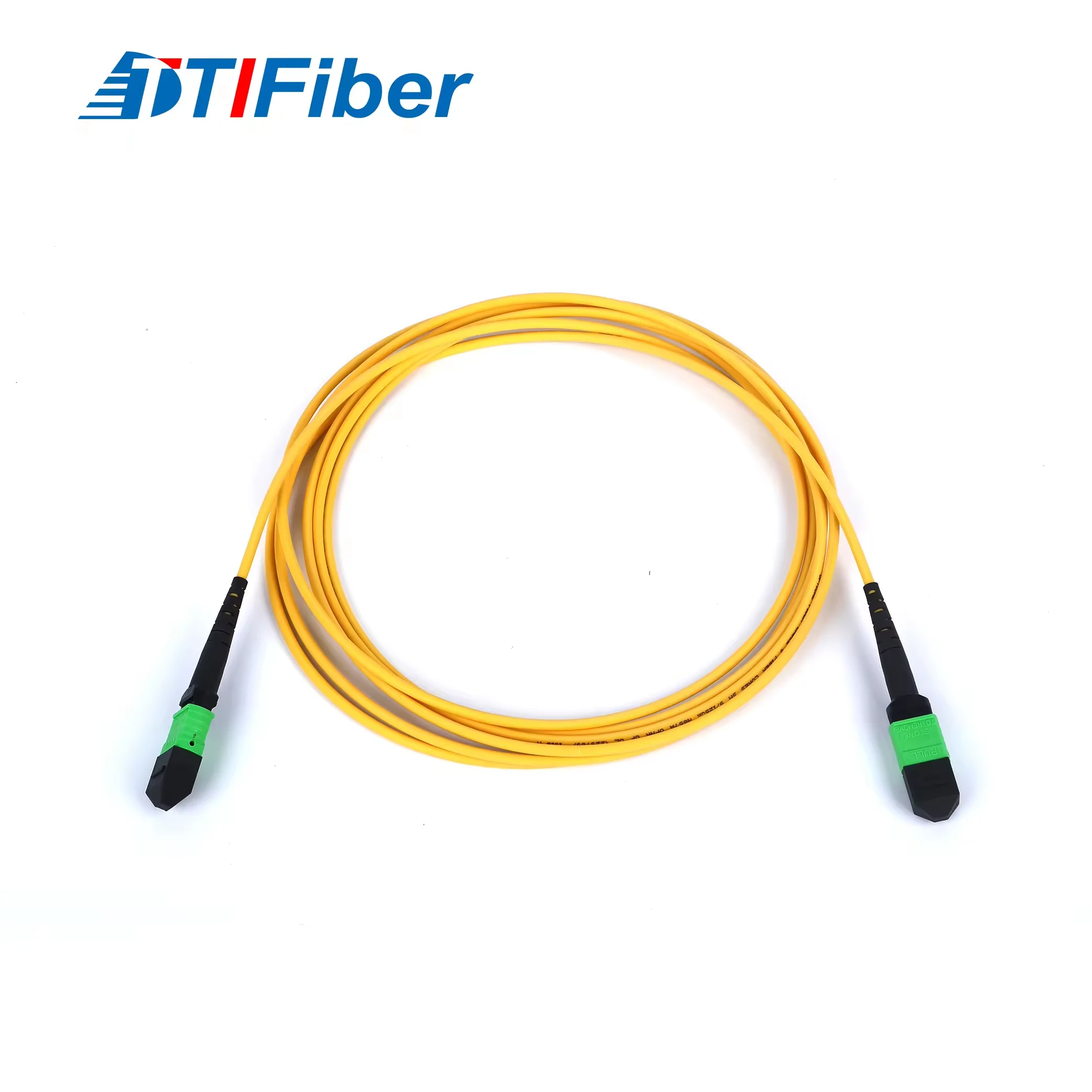
Fiber Patch Cords
LC, SC, FC and ST jumpers, uniboot designs, fanouts, pigtails and FTTH drops for fiber link connectivity.
Request a Quote →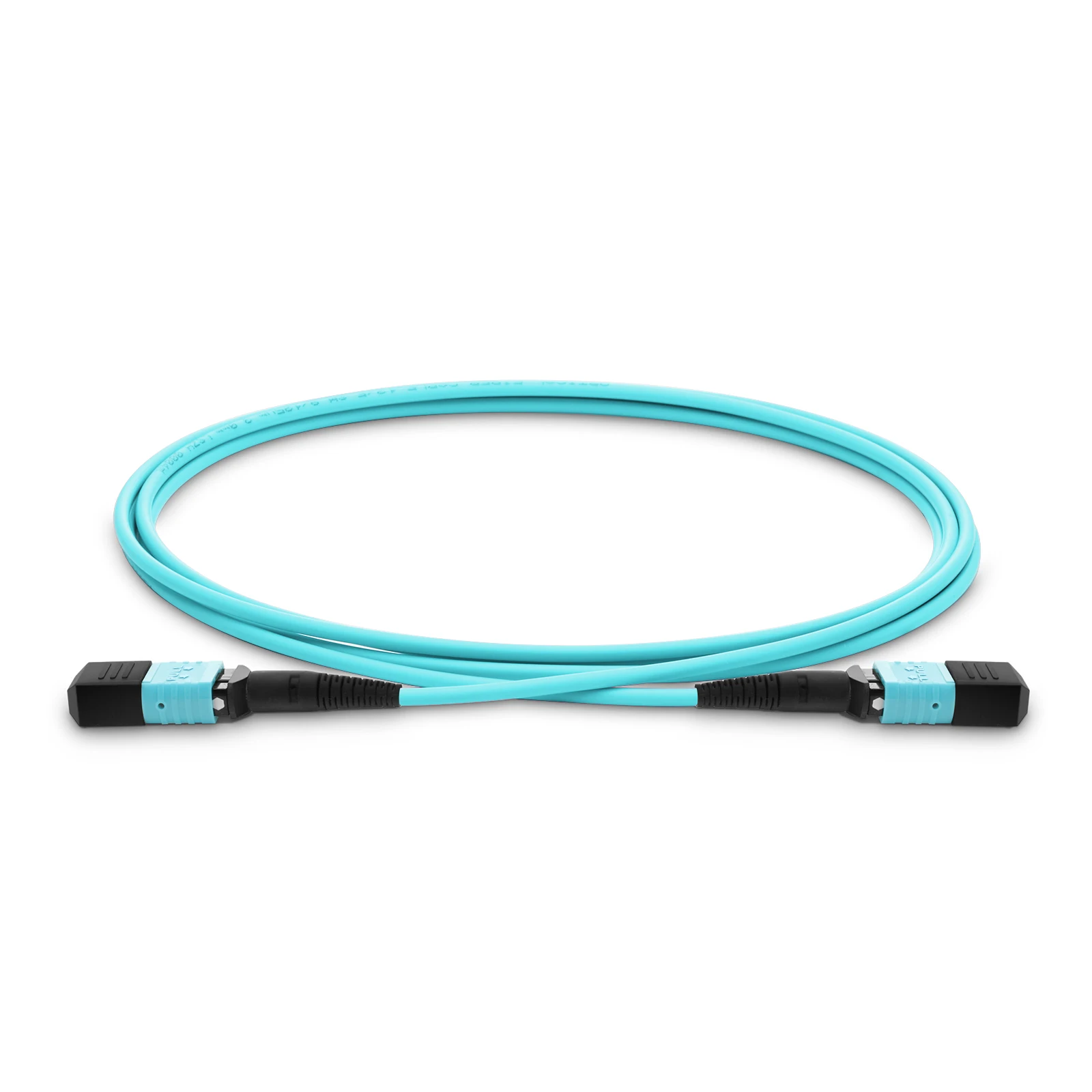
MPO / MTP Assemblies
High-density trunks, harnesses and breakout assemblies for structured cabling and data-center backbones.
Request a Quote →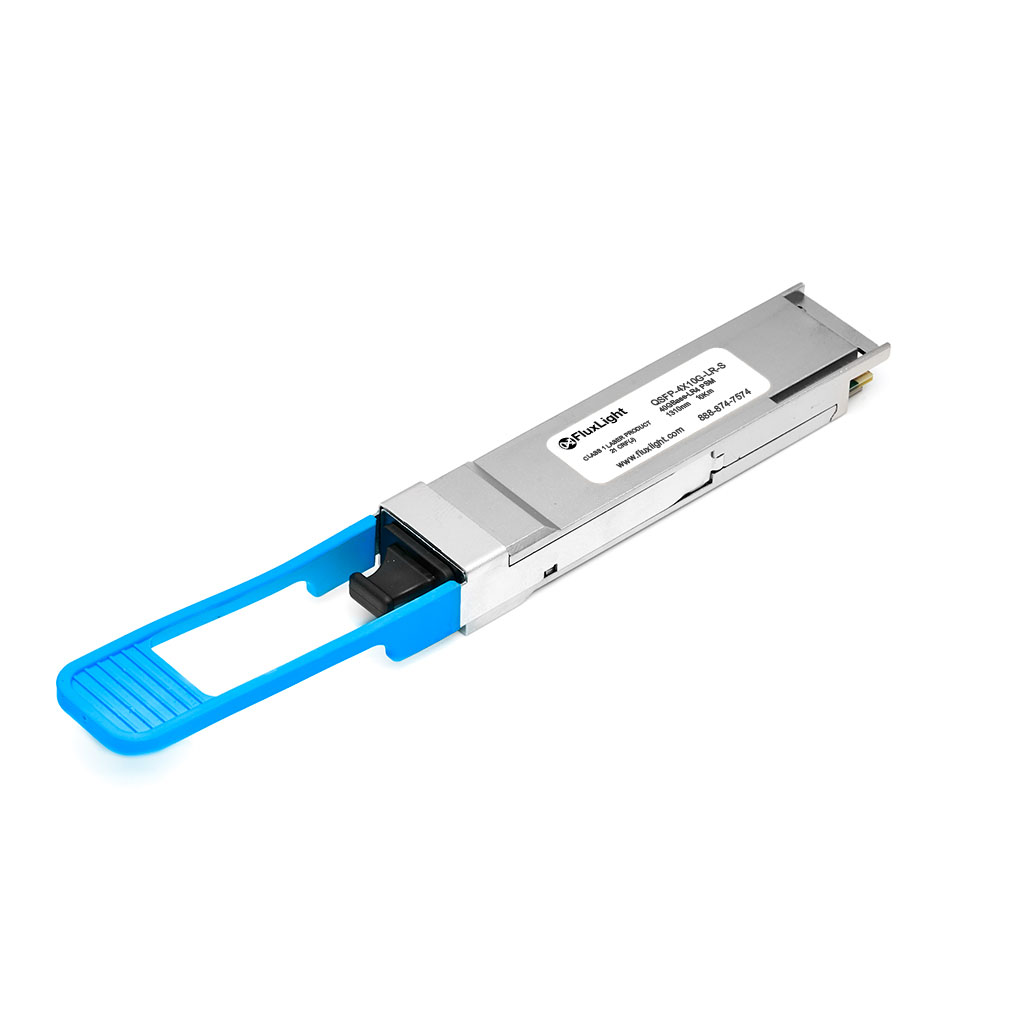
Optical Transceivers
Pluggable optical modules across SFP, QSFP and higher-speed form factors for compatible network equipment.
Request a Quote →
DAC & AOC High-Speed Cables
Direct-attach copper and active optical cable options for short-reach, high-speed equipment links.
Request a Quote →
Optical Cable
Indoor, outdoor, armored, FTTH drop and hybrid cable constructions for different routes and installation conditions.
Request a Quote →
CWDM & DWDM Passive Multiplexing
Wavelength multiplexers, demultiplexers and passive filters for optical capacity and fiber-use planning.
Request a Quote →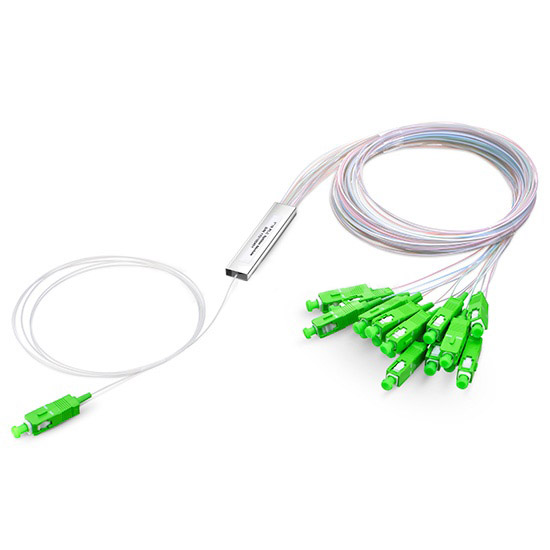
PLC Splitters & Accessories
PLC splitters, FBT couplers and optical attenuators for passive distribution and fiber network applications.
Request a Quote →Not sure which product fits?
Share your application, interface and configuration requirements so our team can help review the options.
Fiber Optic Products FAQ
What fiber optic product categories do you offer?
Our catalog includes fiber patch cords, MPO/MTP assemblies, optical transceivers, DAC and AOC cables, optical cable, CWDM/DWDM passive multiplexing, and PLC splitters and accessories.
How do I choose the right fiber patch cord or assembly?
Confirm the fiber type, connector interfaces and polish, length, polarity, strand count, and installation environment. For data center links, also check equipment compatibility and required transmission distance.
Can I request a custom configuration?
Yes. Share the required interfaces, cable length, fiber count, splitter ratio, packaging, and application in the quote form. Our team can review the requested specification and confirm availability.
How can I request pricing or a product recommendation?
Select “Request a Quote” on a product card to open the inquiry form. Include the product category, quantity, target specification, and delivery destination so we can respond with relevant options.
What details should I include in a quote request?
Include the product family, quantity, connector interfaces, fiber type, cable length, fiber count, polarity, split ratio if applicable, and delivery destination. For transceivers or DAC/AOC cables, provide the equipment model and required data rate or reach. If a specification is still undecided, describe the network application and our team can help identify which details need confirmation.
Which factors affect fiber component selection?
Selection depends on the optical interface, transmission distance, fiber type, connector polish, insertion-loss budget, operating environment, and equipment compatibility. For passive splitters, also consider the split ratio, port count, package style, and connector arrangement. Confirm these items against the network design before ordering, especially when components must match installed equipment.
How should I choose a PLC splitter ratio?
Start with the number of subscriber or equipment outputs needed and the optical power budget available across the link. Common split ratios distribute signal to different numbers of output ports, so a larger split can increase distribution capacity while reducing the optical power available at each output. Share the required ports, wavelength range, connector type, and application so the suitable configuration can be reviewed.
What should data center buyers check for DAC, AOC, and transceivers?
Check the switch or server interface, supported speed, cable length, connector form factor, and compatibility requirements. DAC cables use a direct electrical connection for short equipment links, while AOC cables carry optical signals over an active cable assembly. Pluggable transceivers require a matching module type and optical reach. Confirm the exact device model and specification before selecting a part.
Can I ask about samples, volume pricing, or lead time?
Yes. Add the requested quantity, target delivery date, and whether you need a sample or a production order to the inquiry form. Availability, sample options, pricing, and lead time depend on the exact product configuration and current supply conditions, so our team will review the details and confirm them with the quotation.
What is the difference between a splitter and a WDM filter?
A splitter divides an incoming optical signal among output ports, while a wavelength division multiplexing filter combines or separates signals according to their wavelength channels. These products serve different network functions. When deciding between them, identify whether the design needs one-to-many distribution or wavelength management, then confirm the port layout, wavelength plan, connector interfaces, and optical-loss requirements with the network specification.
What should I verify before ordering fiber optic cable?
Check the installation route, indoor or outdoor use, fiber type and count, cable construction, jacket requirements, tensile or crush protection needs, and termination plan. For aerial, duct, or direct-burial routes, confirm the cable design is appropriate for the installation method and local project requirements. Share the route conditions, desired length, fiber count, and equipment interfaces so the cable configuration can be reviewed before quotation.