The tight buffered vs loose tube fiber optic cable decision is one of the first choices in a fiber cabling project. Both use the same basic optical fiber technology, but their constructions suit different installation conditions.
Tight buffered cable is commonly selected for indoor runs, equipment rooms, and building backbones where direct termination and easier handling are important. Loose tube cable is commonly selected for outdoor routes, ducts, aerial spans, and other environments where moisture protection and temperature movement matter.
Fiber selection note: Select the cable by its specific rating, installation route, and project requirements—not by construction type alone.
What Is Tight Buffered Fiber Optic Cable?
In a tight buffered cable, each optical fiber receives an individual buffer layer that fits closely around the coated fiber. A common tight-buffered fiber size is 900 μm, although complete construction varies by product family.
This design makes individual fibers easier to identify, route, strip, and terminate. Tight buffered cable is often used in:
- Indoor backbone cabling
- Telecom rooms and equipment rooms
- Data centers
- Building risers and horizontal routes
- Pre-terminated assemblies
- Selected indoor/outdoor routes where the cable is specifically rated
Tight buffered cable is available in simplex, duplex, distribution, breakout, and other configurations. Depending on the application, it may include aramid yarn, dielectric strength members, outer jackets, or additional protection.
Key Advantages of Tight Buffered Cable
Simpler termination. Individual buffered fibers can be easier to prepare for field termination than bare 250 μm fibers in a loose tube design.
Better handling for indoor work. The construction is often well suited to routing in racks, trays, risers, and equipment areas.
Useful for direct equipment connections. Tight buffered cable can support patching, fan-out, and pre-terminated solutions for structured cabling and active equipment connections.
What Is Loose Tube Fiber Optic Cable?
Loose tube cable places 250 μm optical fibers inside protective buffer tubes with controlled space around the fibers. The tubes may use gel filling or dry water-blocking materials, depending on the cable design.
This construction helps protect optical fibers from moisture, temperature changes, and mechanical stress in outside-plant applications. Loose tube cable is often used in:
- Outdoor duct installations
- Aerial routes
- Direct-burial projects
- Campus backbone networks
- Long outdoor cable runs
- Telecom and FTTH distribution networks
Loose tube designs can be central tube or stranded tube constructions. They may also include armor, water-blocking materials, steel or dielectric strength members, figure-8 messenger support, or double jackets.
Tight Buffered vs Loose Tube Fiber Optic Cable: Quick Comparison
| Feature | Tight Buffered Cable | Loose Tube Cable |
|---|---|---|
| Typical fiber size inside cable | Often 900 μm buffered fiber | Typically 250 μm fiber in a buffer tube |
| Common environment | Indoor and selected indoor/outdoor routes | Outdoor and outside-plant routes |
| Termination handling | Often easier for direct field termination | Usually requires suitable breakout or termination preparation |
| Moisture protection | Depends on cable rating and construction | Commonly designed with water-blocking features |
| Temperature movement | Suitable for controlled environments | Better suited to outdoor temperature variation |
| Typical applications | Buildings, data centers, telecom rooms | Duct, aerial, direct-burial, campus backbone |
Indoor/outdoor suitability must be confirmed by the cable’s specific rating, not construction type alone.
When Should You Choose Tight Buffered Cable?
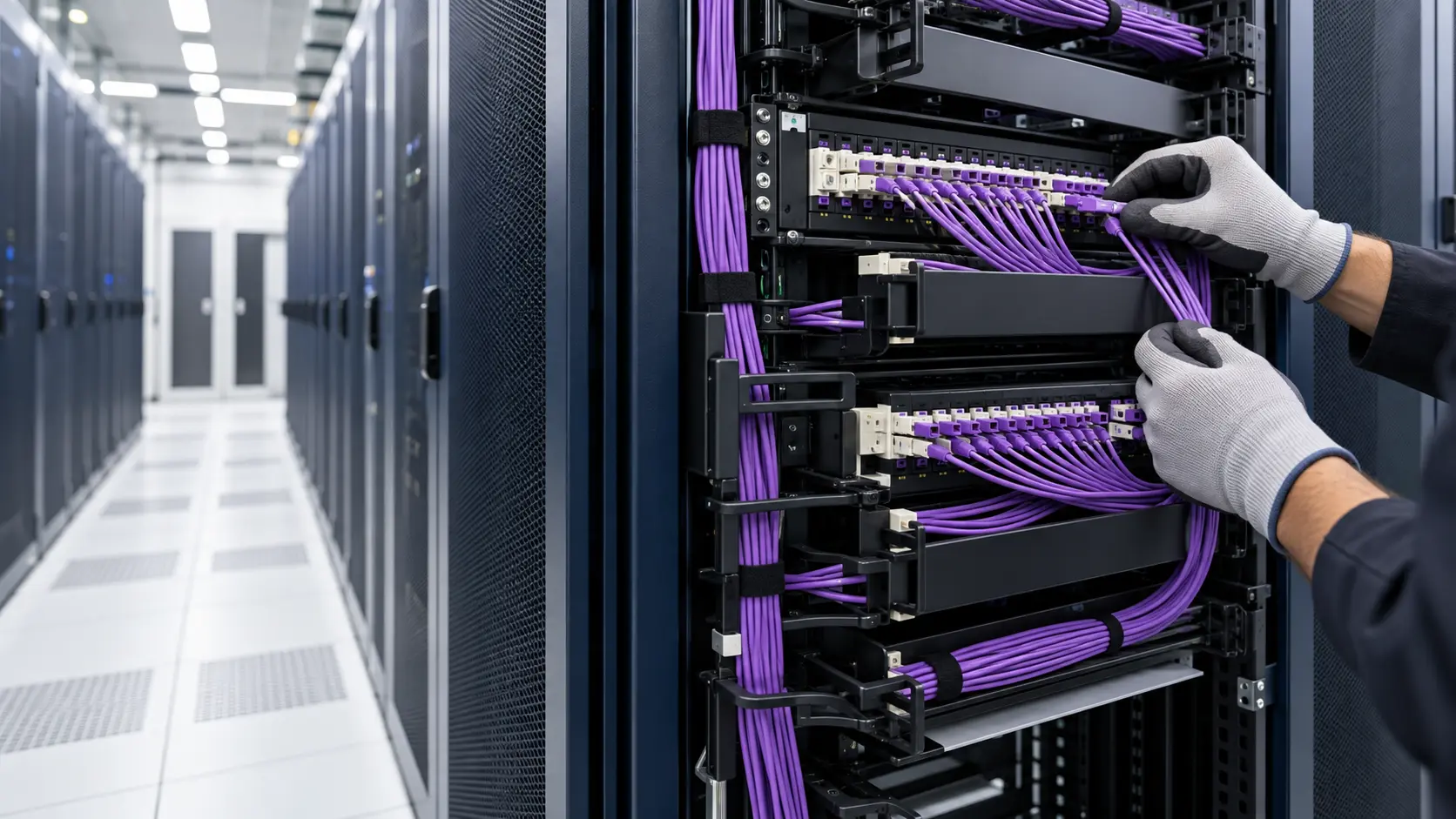
When comparing tight buffered vs loose tube fiber optic cable for an indoor route, choose tight buffered cable when your project prioritizes accessible termination and connection to equipment or patching systems.
It is often suitable when the cable route is inside a building, the installation includes racks or patch panels, individual fibers need to be accessed for termination, or the project uses pre-terminated cable assemblies.
Do not assume every tight buffered cable is approved for every indoor environment. Plenum, riser, LSZH, indoor/outdoor, and flame-performance requirements vary by market and project specification.
For fiber distribution between telecom rooms and equipment areas, see our MDF vs IDF fiber backbone design guide.
When Should You Choose Loose Tube Cable?
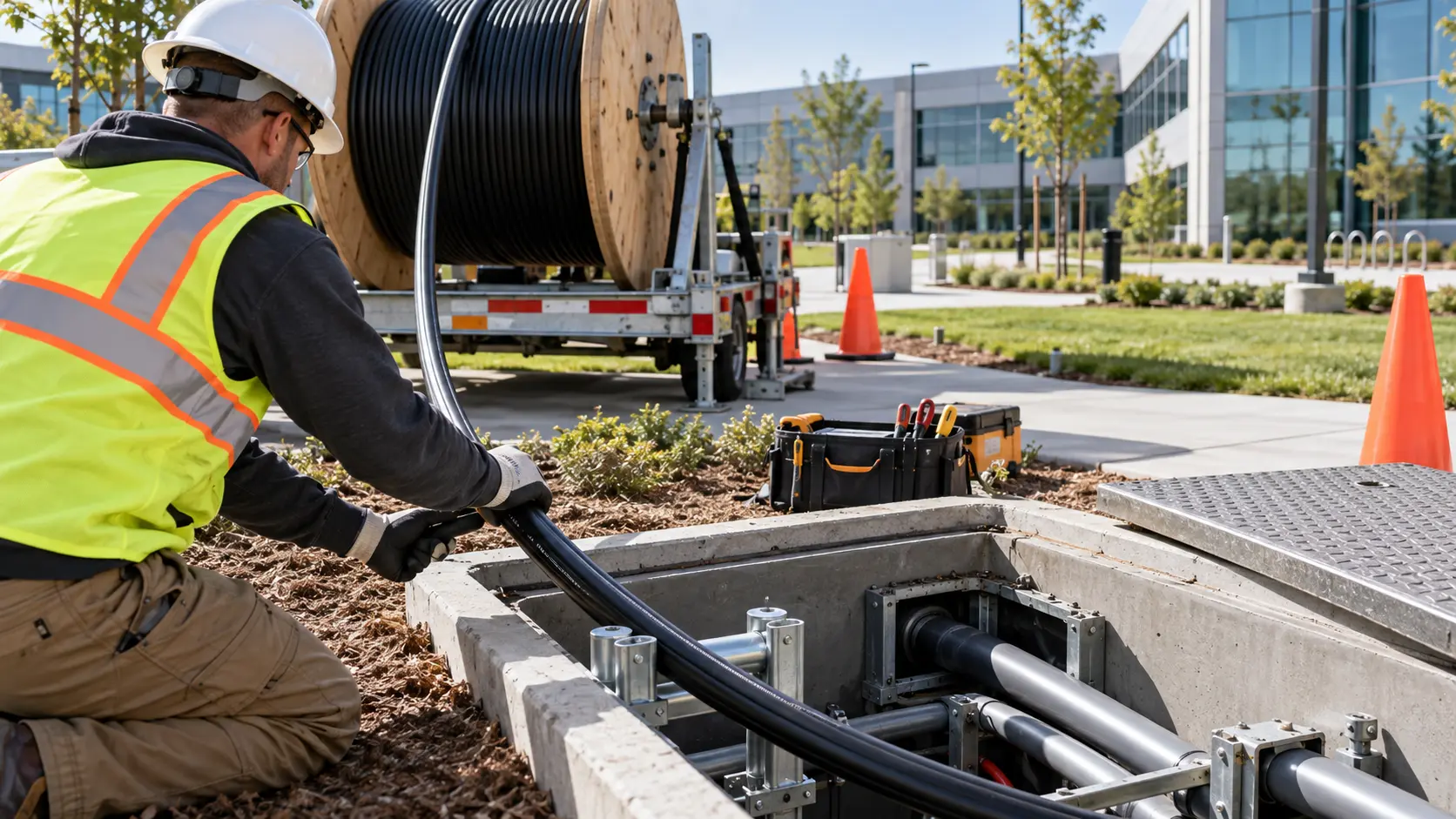
Choose loose tube cable when the route is exposed to outdoor conditions or requires a cable construction designed for moisture and temperature variation.
It is often suitable when the cable will be installed in a duct or conduit, the route is aerial or direct burial, the network extends between buildings, or the project needs water blocking, armor, or a higher fiber count.
Loose tube cable can be terminated and connected to indoor equipment, but the transition should be planned correctly. A breakout kit, splice closure, fiber distribution panel, or indoor-rated transition solution may be required.
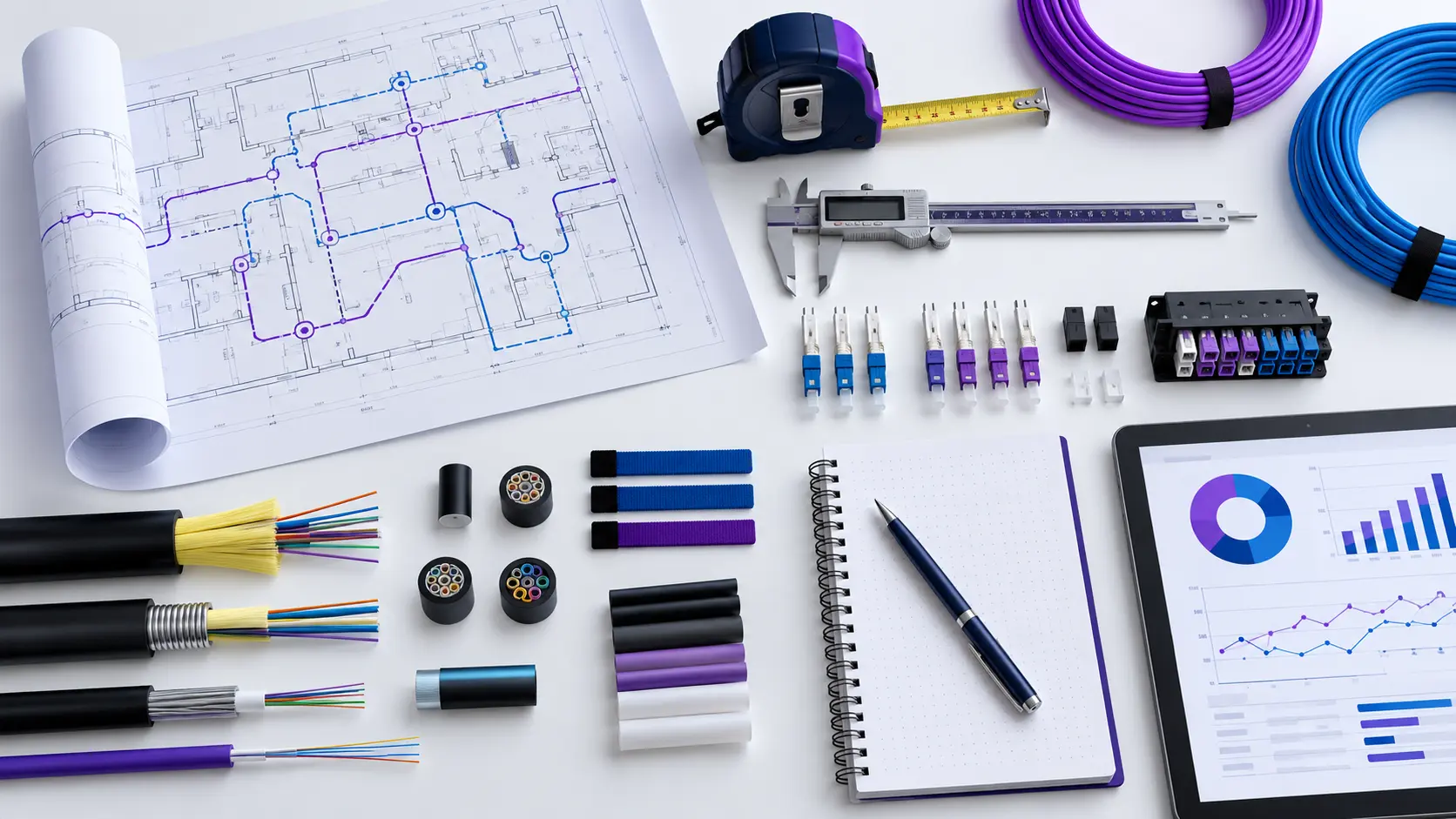
Buyer Checklist Before Sending an RFQ
- Single-mode or multimode fiber type
- Fiber count
- Tight buffered or loose tube preference
- Indoor, outdoor, indoor/outdoor, duct, aerial, or direct-burial installation
- Required cable jacket and environmental protection
- Armored or non-armored requirement
- Cable length and packaging requirement
- Connector type or field-termination requirement
- Pre-terminated, fan-out, or bare-fiber delivery requirement
- Local flame rating, material, or project compliance requirements
- Required test data, labeling, and delivery schedule
For compatible passive fiber optic components and connectivity accessories, include the cable interface, connector type, fiber type, and required quantity in your RFQ.
Safety Notice
Do not look directly into the end of a fiber optic connector, adapter, or active optical port. Invisible laser radiation may be present even when no visible light is detected.
Before inspecting, cleaning, splicing, or reconnecting fiber components:
- Confirm whether the fiber link is active.
- Follow the site’s laser-safety procedures.
- Handle fiber shards carefully and dispose of them in an approved container.
- Keep dust caps on unused ports and clean connectors before connection.
- Ensure work is performed by trained personnel using suitable tools.
Always follow applicable workplace safety rules, project requirements, and equipment instructions.
Frequently Asked Questions
Can loose tube fiber optic cable be used indoors?
Only when the specific cable construction and installation method meet the required building and fire-safety requirements. Outdoor loose tube cable is not automatically suitable for indoor routing.
Is tight buffered cable better than loose tube cable?
Neither is universally better. Tight buffered cable is often more convenient for indoor termination and equipment-room routing. Loose tube cable is often better suited to outdoor routes, moisture exposure, and temperature changes.
Is loose tube cable harder to terminate?
Loose tube cable usually requires more preparation because individual fibers are 250 μm and housed inside buffer tubes. Installers may use fan-out kits, splice trays, or fiber distribution hardware to create a suitable transition.
Can tight buffered cable be used outdoors?
Some tight buffered cables are specifically designed and rated for indoor/outdoor applications. Standard indoor tight buffered cable should not be used outdoors unless its datasheet confirms the required environmental rating.
Get a Quick Quote for Your Fiber Connectivity Project
VIBOFIBER supports fiber connectivity projects with passive optical components, transceiver accessories, and suitable cable-configuration guidance. Contact VIBOFIBER with your cable route, fiber type, fiber count, installation environment, termination requirement, and target quantity for a practical RFQ configuration.