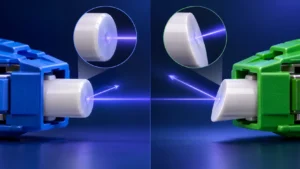
APC vs UPC polish is a comparison of two fiber connector end-face finishes. They may be used with similar connector families, such as SC or LC, but their ferrule geometry is different. That difference affects how reflected light is handled and whether two components can be directly connected. For a full project-level comparison, see the APC vs UPC fiber connector selection guide.
The short rule is simple: use the polish type required by the approved equipment and link design, then keep that polish consistent across the relevant connector path.
APC vs UPC Polish at a Glance
| Selection Factor | UPC | APC |
|---|---|---|
| Full name | Ultra Physical Contact | Angled Physical Contact |
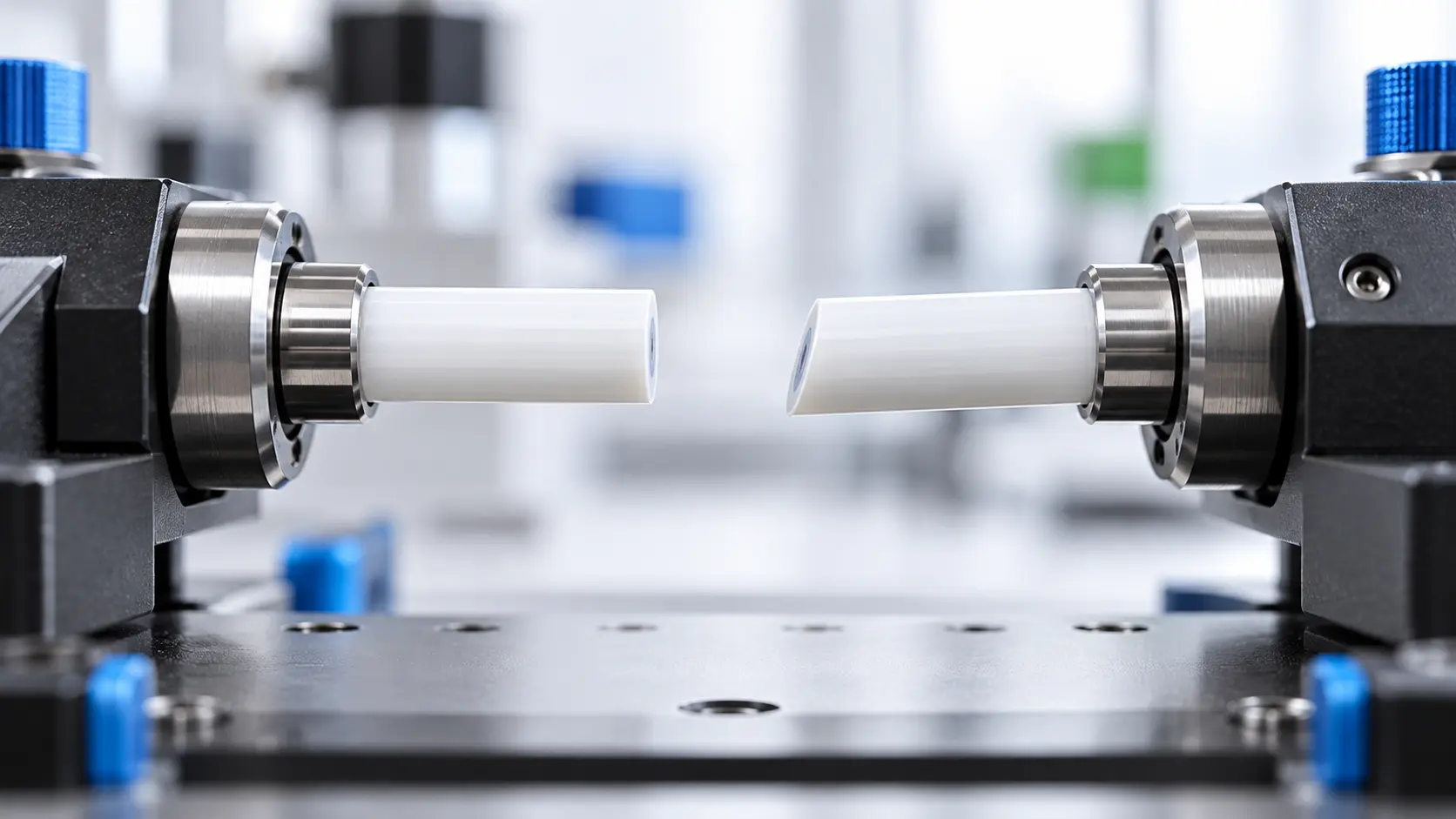
| End-face geometry | Precision physical-contact finish with a non-angled, gently convex end face | Physical-contact finish with an angled end face, commonly 8° |
| Reflection-control purpose | Suitable where the approved design accepts the required reflection performance | Designed to direct reflected light away from the source path |
| Common color convention | Blue | Green |
| Direct APC-to-UPC mating | Not appropriate | Not appropriate |
Color can help installers identify a connection type, but it is not final proof. Confirm the connector marking, documentation, and approved project connection schedule.
What Is UPC Polish?
UPC stands for Ultra Physical Contact. A UPC connector uses a highly polished physical-contact end face designed to create close contact between matching connector ferrules.
UPC is a polish type, not a complete system specification. Knowing that an assembly is “LC/UPC” or “SC/UPC” does not by itself confirm the fiber type, cable construction, application, or compatibility with every device. For broader interface context, review fiber optic connector types.
For procurement and installation, specify the connector family and the polish type together. A request for an “LC patch cord” is incomplete if the required end-face polish has not been defined.
What Is APC Polish?
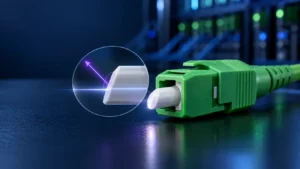
APC stands for Angled Physical Contact. Its ferrule end face is polished at an angle, commonly 8 degrees. This geometry helps direct a portion of reflected light away from the source path.
APC is often considered for approved designs where back-reflection management is an important requirement, including many PON, FTTH, RF-over-fiber, and selected single-mode applications. The correct choice must be based on equipment documentation and the complete network design.
An APC connector is commonly associated with green housings, boots, or adapters. Treat the color as a useful visual check, not as the only verification method.
Can APC and UPC Be Connected Together?
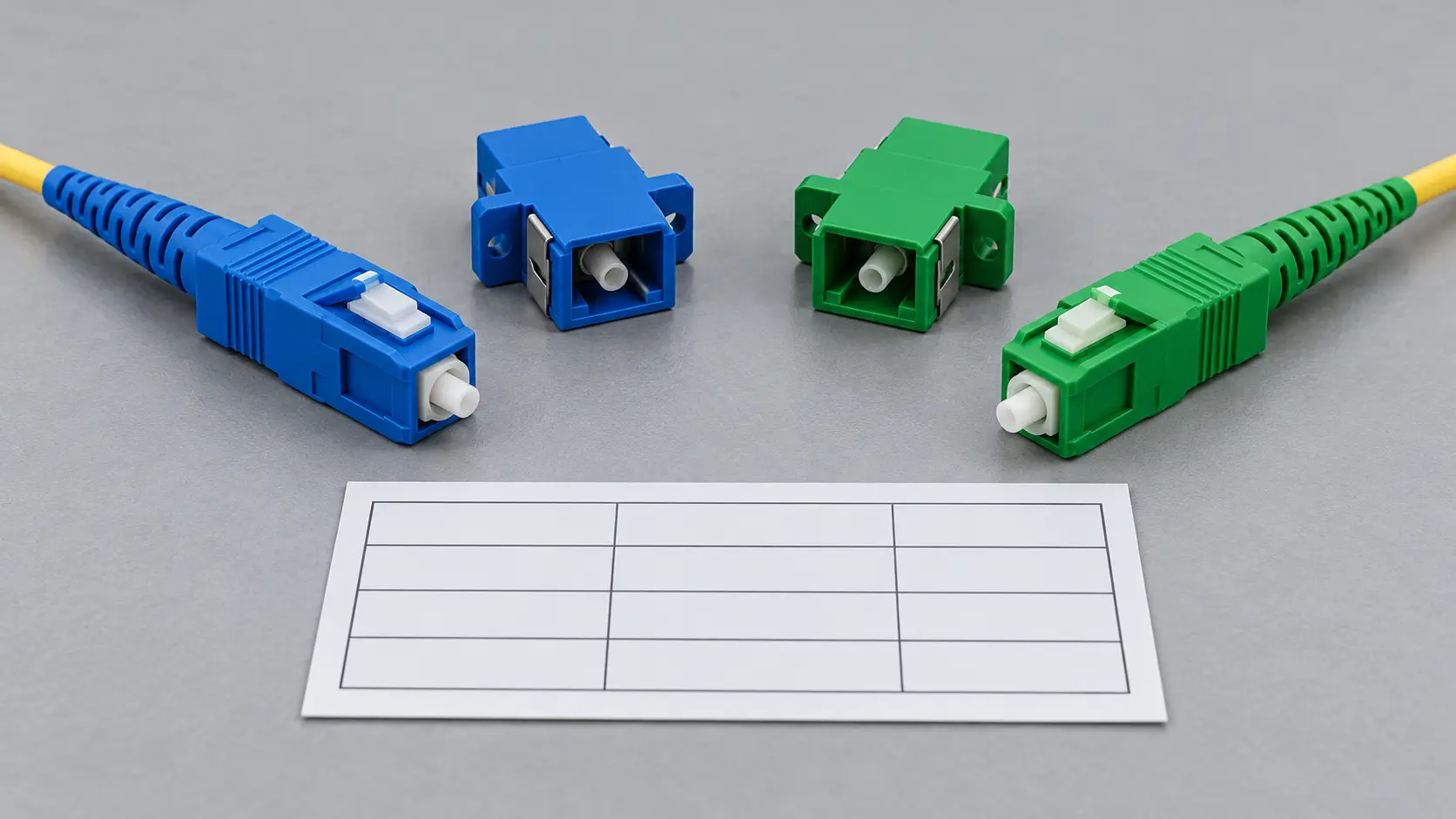
No. APC and UPC connectors should not be directly mated.
Their end-face geometries are different. An angled APC ferrule cannot make the intended physical contact with a non-angled UPC ferrule. A forced or incorrect connection can lead to high loss, unstable optical performance, and possible end-face damage.
Do not assume an adapter converts one polish type into another. If two documented network segments require different connector interfaces, use only an approved transition arrangement designed for that application.
How to Choose APC or UPC Polish
Start with the approved equipment interface and follow the connection path from end to end.
Before selecting a patch cord, adapter, pigtail, cassette, or panel interface, confirm:
- Connector family at each end
- Required APC or UPC polish at each interface
- Fiber type and intended application
- Equipment-port and passive-interface documentation
- Adapter and panel compatibility
- Required labeling, inspection, and acceptance records
- Replacement and maintenance identification process
Do not select the polish type based only on a connector’s color or a component already available at the site. A complete channel can include equipment ports, patch cords, adapters, panels, passive devices, and field terminations. Each relevant interface should follow the documented polish requirement.
Inspection and Handling Reminder
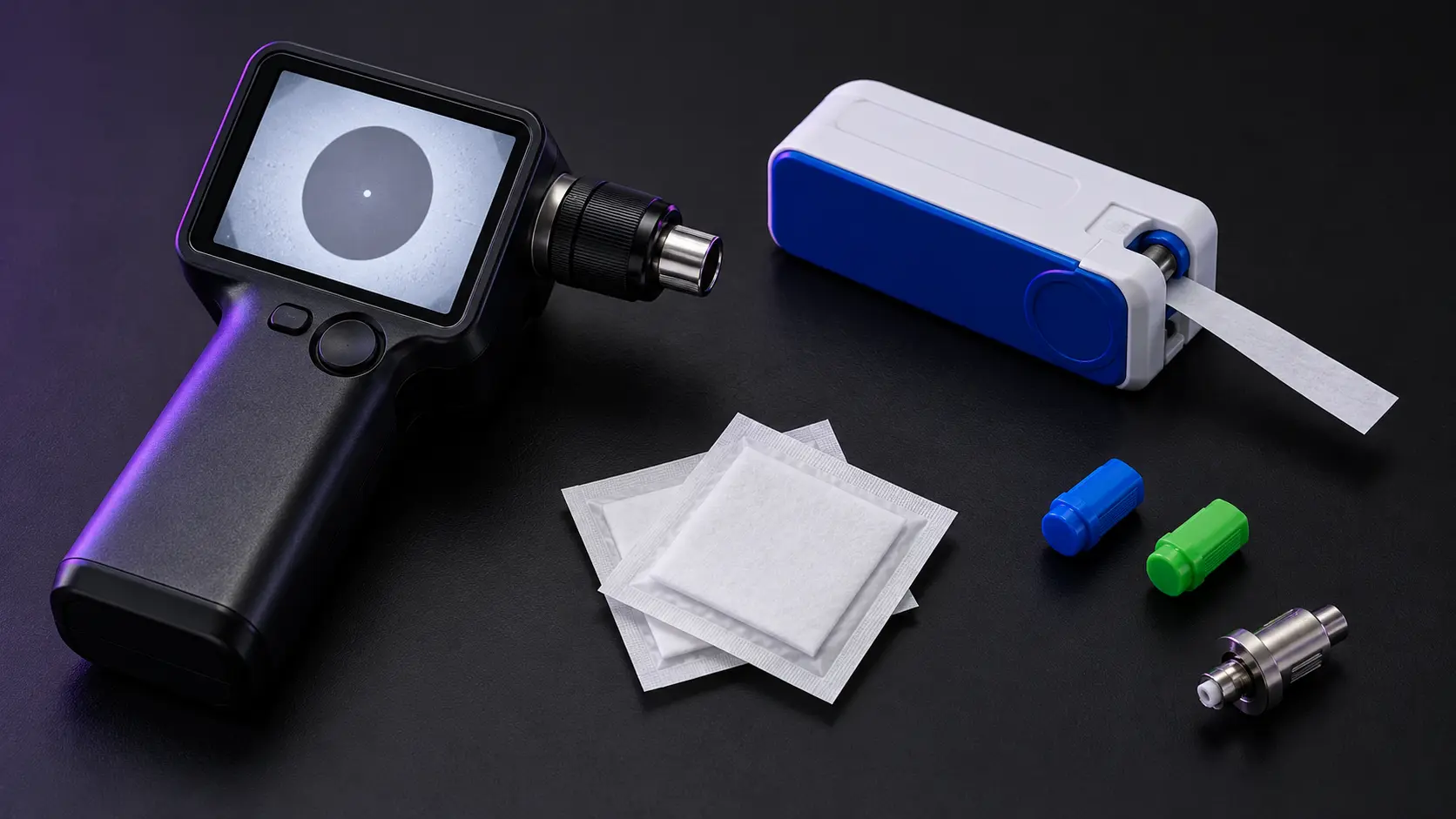
Connector cleanliness and end-face condition matter regardless of the selected polish type. Inspect connectors with appropriate tools, clean them using an approved process, and inspect again before mating where required by site procedure.
Keep dust caps in place when components are not being handled. Protect end faces from contamination and avoid touching the ferrule. If an interface is unclear, stop and verify the documentation rather than attempting a connection based on appearance.
Safety Notice
Do not look into a fiber end face, connector, or active optical port. Optical signals may be invisible and can present an eye hazard.
Before inspecting, cleaning, testing, or reconnecting a fiber link, follow the applicable site procedure and verify link status where required. Use appropriate inspection and cleaning tools, observe ESD precautions for connected equipment, manage fiber shards safely, and follow equipment documentation plus local safety requirements.
This glossary provides general information only. It does not replace approved network designs, equipment documentation, site procedures, or qualified technical review.
Frequently Asked Questions
Is APC always better than UPC?
No. APC and UPC are selected for different connection requirements. Use the polish type specified by the equipment documentation and approved channel design.
Is a green connector always APC?
Green is a common APC color convention, but it is not sufficient proof. Confirm the connector marking and relevant project documentation.
Can an adapter make APC and UPC compatible?
No. A standard adapter provides mechanical alignment for compatible interfaces; it does not change the geometry of a connector end face.
What should be included in an APC or UPC RFQ?
Include the fiber type, connector family, required polish at each end, cable length, connection path, installation environment, and applicable labeling or documentation requirements.
Discuss Your Connectivity Requirements
Contact VIBOFIBER with your confirmed connector family, polish requirement, fiber type, connection path, quantity, and documentation needs to discuss relevant fiber connectivity product options for your RFQ.